US job growth is expected to slow in September, raising concerns about the economy’s overall health. Analysts predict that while job creation may dip, the unemployment rate is likely to remain steady.
Understanding US Job Growth Trends
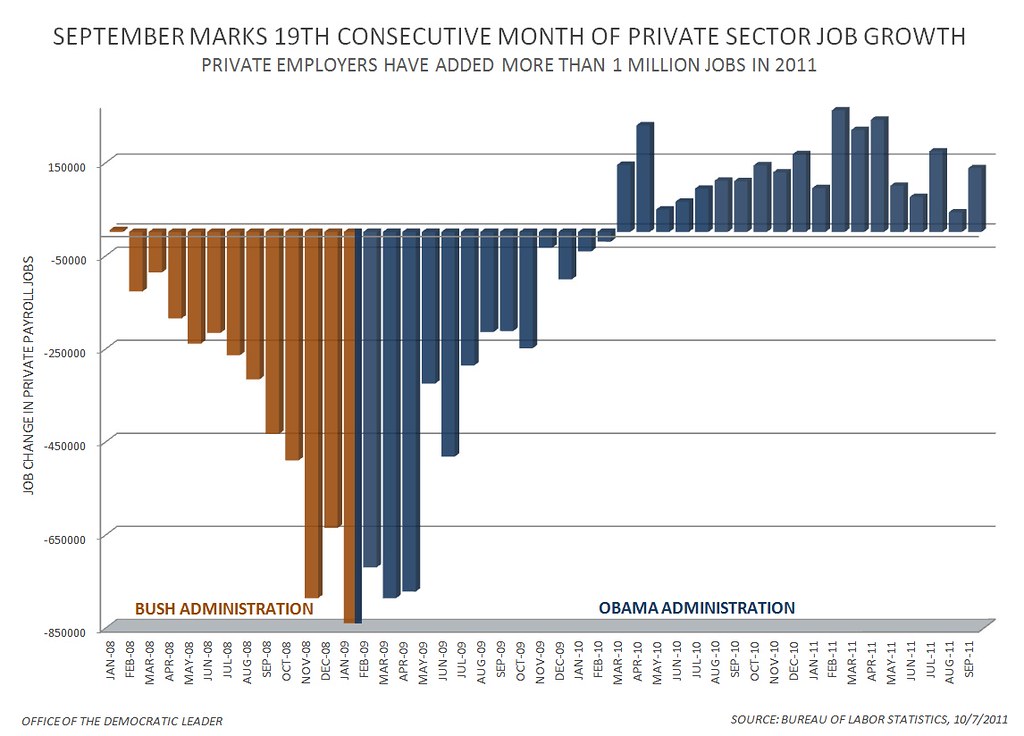
The US job growth has been a crucial indicator of the nation’s economic health, reflecting the overall employment landscape. Recent data suggests a significant slowdown is expected in September, raising concerns among economists and policymakers alike.
Historically, job growth trends have shown fluctuations influenced by various factors, including seasonal employment shifts, economic policies, and global events. In recent months, the rate of job creation has been robust, leading to optimism about recovery from economic disruptions.
However, experts are now anticipating a downturn in job growth for September, which could signal a broader economic cooling. Key factors contributing to this forecast include:
- Labor Market Saturation: Many industries have reached near full employment, limiting further job creation.
- Interest Rate Hikes: Increased borrowing costs may slow down business expansion and hiring.
- Supply Chain Issues: Ongoing disruptions continue to affect many sectors, impacting production and employment.
As the unemployment rate is expected to remain steady, the slowdown in US job growth could raise questions about the sustainability of economic momentum moving forward.
What to Expect in September
As analysts look ahead to September, expectations are set for a notable slowdown in US job growth. Economic indicators suggest that the hiring pace will decelerate, potentially leading to the worst monthly gain in recent times. Several factors contribute to this anticipated downturn.
- Economic Uncertainty: Ongoing inflationary pressures and rising interest rates have created a challenging environment for businesses, making them hesitant to expand their workforce.
- Seasonal Adjustments: Traditionally, September sees a reduction in hiring as summer jobs come to an end, which can impact the overall job growth numbers.
- Sector-Specific Trends: Industries such as retail and hospitality, which typically experience fluctuations in employment, are facing headwinds that may slow their recovery.
Furthermore, while the unemployment rate is expected to remain steady, the anticipated slowdown in job growth could indicate a shift in the labor market dynamics. Employers may prioritize retaining existing staff rather than hiring new employees, which could lead to a more cautious outlook for the economy in the coming months. Stakeholders are closely monitoring these developments, as the trajectory of US job growth plays a crucial role in shaping economic policies and consumer confidence.
Impact on Unemployment Rates
The slowdown in US job growth is anticipated to have significant implications for unemployment rates across the country. Economic analysts predict that the unemployment rate will likely remain steady, despite the deceleration in hiring. This stability may provide a temporary sense of relief, but it also raises concerns about the long-term health of the labor market.
As businesses adjust to the changing economic landscape, several factors could influence these unemployment figures:
- Sector-Specific Impacts: Industries such as technology and retail may experience varying degrees of job growth, affecting overall unemployment rates differently.
- Labor Force Participation: If more individuals choose to re-enter the workforce, the unemployment rate could see fluctuations, even amid slow job growth.
- Wage Growth: Stagnant wages might deter job seekers, impacting the availability of skilled labor and ultimately affecting job growth.
In summary, while the forecasted slowdown in US job growth poses challenges, the steady unemployment rate suggests that the labor market may be more resilient than anticipated. However, continuous monitoring will be essential to understand the evolving dynamics in employment trends.
Economic Implications of Slower Job Growth
The slowdown in US job growth carries significant economic implications that could reverberate across various sectors. Analysts predict that a deceleration in hiring may lead to weaker consumer spending, as fewer job opportunities can result in reduced disposable income for households. This trend is particularly concerning given that consumer spending accounts for a substantial portion of the US economy.
Moreover, slower job growth could impact wage growth. With fewer job openings, employers may feel less pressure to increase wages, which could hinder the purchasing power of workers. This stagnation in wages might further contribute to a slowdown in economic activity, as consumers may curtail their spending in response to uncertain financial prospects.
Additionally, business investment may also be affected. Companies often evaluate their hiring needs based on overall economic conditions. If job growth remains sluggish, businesses may postpone expansion plans or cut back on investments, further impacting long-term economic growth.
- Lower consumer spending
- Stagnant wage growth
- Reduced business investments
In conclusion, the anticipated slowdown in US job growth not only signals challenges for the labor market but also poses broader risks to economic stability and growth.
Expert Opinions on Future Job Market
As the anticipation builds for the September job report, several experts weigh in on the implications of the expected slowdown in US job growth. Dr. Emily Carter, an economist at the National Employment Institute, suggests that a deceleration in job creation could indicate broader economic challenges. “While the labor market has shown resilience, the signs of slowing growth may reflect underlying issues such as inflation and consumer spending,” she states.
In contrast, Mark Anderson, a labor market analyst, remains optimistic. “Even if job growth slows in September, I believe that the fundamentals of the economy are still strong. Employers are likely to hold onto their workers, which may keep the unemployment rate steady,” he explains.
Furthermore, Sarah Kim, a financial strategist, emphasizes the importance of adaptability in the job market. “Industries that are able to pivot and innovate will fare better during periods of slower job growth. The key will be how quickly companies can respond to changing economic conditions,” she notes.
Overall, the expert consensus points toward a cautious outlook for the upcoming September figures, with a keen eye on how these trends will shape the future landscape of the US job market.
By Speaker Nancy Pelosi via Openverse
Where this came from
Related reading
New ISA Rules: Clear Changes for Under-65s in April · Global communications platform: Is it the best choice for businesses? · NBFC funding news: Gurugram’s Fincap secures Rs 100 crore