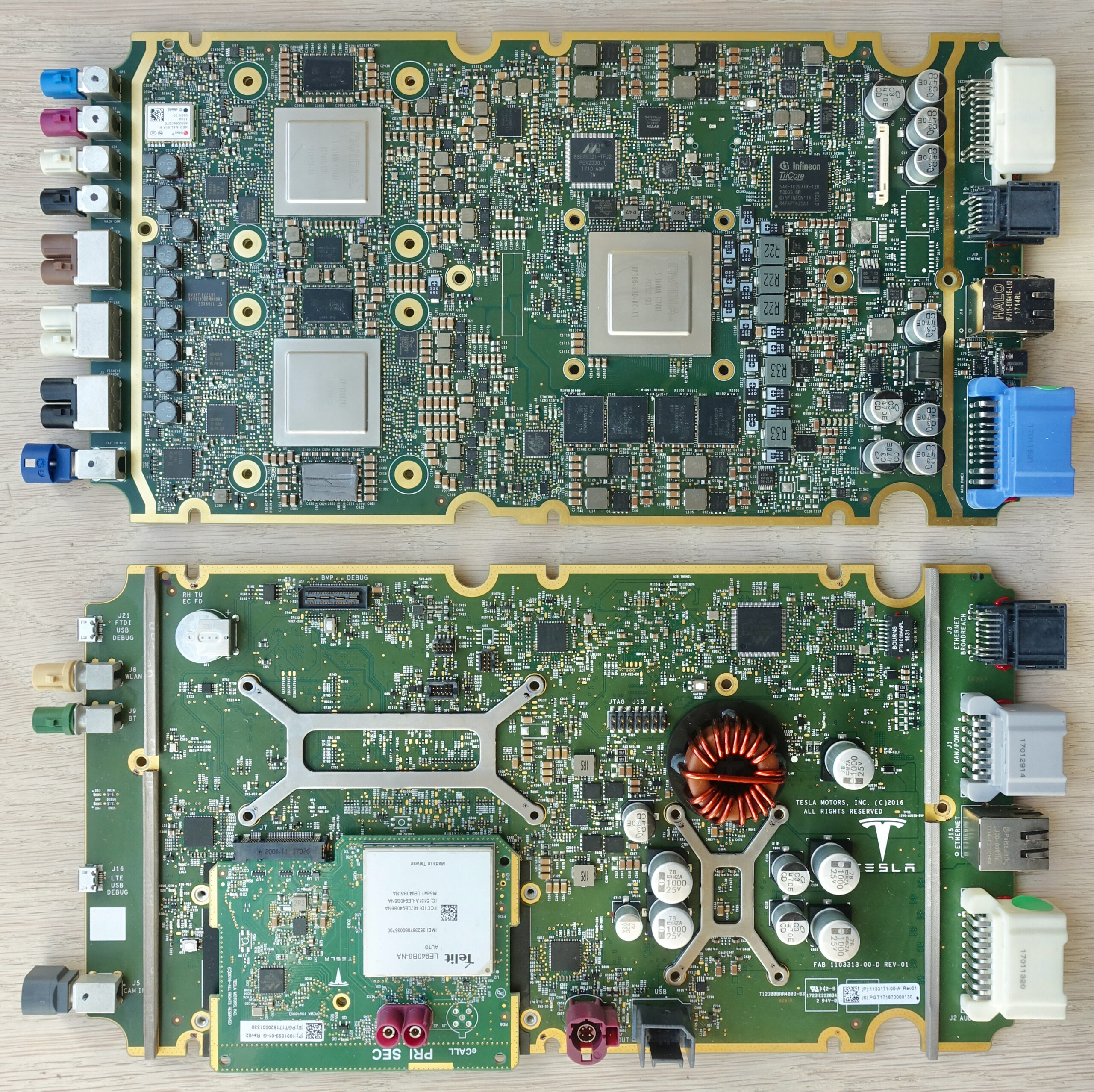
Samsung chip shortage is becoming increasingly severe, leaving investors anxious about potential returns. As the situation escalates, many are questioning the future of the semiconductor market.
Understanding the Samsung chip shortage
The ongoing Samsung chip shortage has raised significant concerns among investors and industry analysts alike. As the demand for semiconductors continues to surge, the South Korean tech giant faces mounting pressure to stabilize its supply chain and meet market needs.
Several factors are contributing to the worsening situation:
- Increased demand: The rise in electronic device usage, particularly due to remote work and online learning, has led to a higher demand for chips.
- Global supply chain disruptions: The COVID-19 pandemic has caused widespread delays and interruptions in manufacturing processes.
- Geopolitical tensions: Trade disputes, particularly between the United States and China, have further complicated the procurement of essential materials and components.
As Samsung grapples with these challenges, investors are left in suspense regarding potential returns. The company has acknowledged the ongoing crisis and its implications for future profitability. While some analysts believe that a resolution may be on the horizon, others caution that the supply shortage could persist, impacting the broader technology sector.
Impact on investors and market
The ongoing Samsung chip shortage is causing significant concern among investors, as the implications for market performance and returns remain uncertain. With the semiconductor industry grappling with supply chain disruptions, analysts are closely monitoring the effects on Samsung’s financial health.
Many investors are left wondering how this crisis will impact their portfolios. The chip shortage has already led to:
- Delayed product releases: Major electronics are experiencing production holdups, which could hinder sales and revenue growth.
- Increased operational costs: As companies scramble to secure necessary components, expenses may rise, impacting profit margins.
- Market volatility: The uncertainty surrounding the semiconductor supply chain has led to fluctuations in stock prices, creating a challenging environment for investors.
Despite these challenges, Samsung has communicated a cautiously optimistic outlook. Investors are urged to remain vigilant as the situation develops. The company’s strategies in response to the chip shortage will be critical in determining its long-term viability and the eventual recovery of investor confidence.
What does this mean for the semiconductor industry?
The ongoing Samsung chip shortage has significant implications for the entire semiconductor industry. As one of the largest manufacturers in the market, Samsung’s struggles can have a ripple effect, influencing production timelines and availability across various sectors.
First and foremost, companies that rely on Samsung chips for their products may face delays. This can lead to:
- Increased production costs as manufacturers seek alternative suppliers.
- Potential shortages of consumer electronics, affecting everything from smartphones to home appliances.
- Disruption in the supply chain, which can further exacerbate the global semiconductor crisis.
Moreover, competitors may benefit from Samsung’s challenges. Firms that can ramp up production to fill the gap created by the Samsung chip shortage might capture greater market share. This scenario places pressure on Samsung to resolve its issues quickly to regain its competitive edge.
Lastly, the semiconductor industry is already under significant strain due to high demand and limited supply. If Samsung cannot navigate this situation effectively, it may lead to a prolonged period of instability and uncertainty, impacting investors and stakeholders alike.
Future outlook for Samsung’s returns
As the Samsung chip shortage continues to deepen, investors are left speculating about the future of the company’s returns. Analysts are divided on whether the current crisis will significantly impact Samsung’s long-term profitability or if it presents a temporary setback. The semiconductor market is notoriously volatile, and companies often face challenges due to supply chain disruptions.
Future projections suggest that while Samsung may struggle in the short term, there are opportunities for recovery. The company is reportedly investing heavily in expanding its chip production capacity, which could help alleviate some of the supply constraints. Some key factors that could influence Samsung’s returns include:
- Technological Advancements: Innovations in chip technology could lead to increased demand for Samsung’s products.
- Market Trends: A resurgence in consumer electronics and automotive sectors may support stronger sales.
- Global Economic Conditions: Economic recovery post-pandemic may enhance demand for semiconductors worldwide.
Investors are advised to keep a close eye on these developments, as they will play a crucial role in determining the resilience of Samsung’s financial performance amidst the ongoing chip shortage.
The Samsung chip shortage has raised concerns among investors about the long-term impacts on the tech industry. As the Samsung chip shortage continues, many are questioning how companies will adapt to the evolving market demands.
By Steve Jurvetson from Los Altos, USA via Openverse