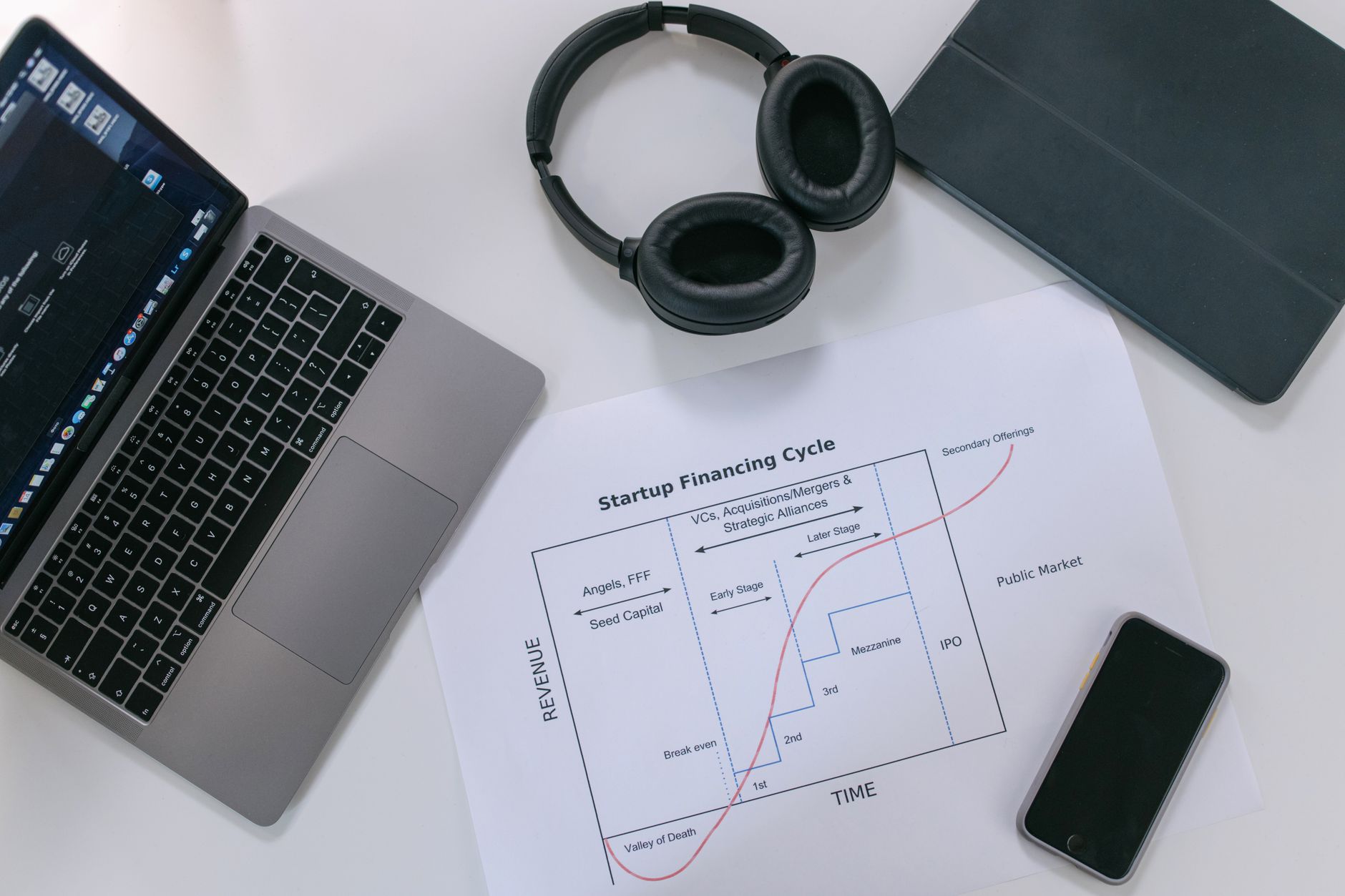
SpaceX stock drop has become a significant topic of discussion among investors. The recent decline below its IPO price raises questions about the company’s future and market dynamics.
Understanding the SpaceX Stock Drop
The recent SpaceX stock drop has raised eyebrows across the financial industry as the company’s shares fell below their initial public offering (IPO) price for the first time since going public. This decline marks a significant shift in investor sentiment and has prompted analysts to closely examine the factors contributing to this downturn.
Several reasons have been identified as potential catalysts for the decline:
- Market Conditions: A broader downturn in the tech sector has negatively impacted many growth-oriented stocks, including SpaceX.
- Investor Sentiment: Concerns regarding profitability and the pace of innovation may have led to a more cautious approach from investors.
- Competition: Increased competition from other aerospace and satellite companies could have affected investor confidence in SpaceX’s market position.
Despite these challenges, some industry experts remain optimistic. Binance CEO Changpeng Zhao, for instance, has expressed a bullish outlook on SpaceX, suggesting that the current stock drop may represent a buying opportunity for long-term investors. Zhao’s perspective highlights the potential for recovery, even as the company faces short-term challenges.
As SpaceX navigates this turbulent period, stakeholders will be watching closely to see how the company addresses these obstacles and whether it can regain investor confidence in the future.
What Caused the Decline in SpaceX Stock?
The recent decline in SpaceX stock can be attributed to several factors that have raised concerns among investors. As the market reacts to various developments, the company faces increased scrutiny regarding its long-term growth potential.
- Financial Performance: SpaceX reported a significant reduction in revenue projections for the upcoming quarters, which has led to skepticism about its profitability. Investors have reacted negatively, contributing to the overall decline in stock value.
- Regulatory Challenges: The company is currently navigating stringent regulatory hurdles that may delay upcoming launches and projects. These challenges have created uncertainty around its operational capabilities and future contracts.
- Market Sentiment: A broader downturn in the tech sector has impacted SpaceX, with many investors adopting a cautious approach. This shift in sentiment has exacerbated the SpaceX stock drop, as risk-averse investors pull back from high-growth potential stocks.
- Competition: Intense competition from both established aerospace companies and emerging startups has put pressure on SpaceX to innovate and maintain its market position. Concerns about its ability to stay ahead in a rapidly evolving industry have weighed heavily on investor confidence.
As investors assess these factors, the outlook for SpaceX remains uncertain, leading to ongoing volatility in its stock performance.
Binance’s CZ Remains Bullish on SpaceX
Despite the recent SpaceX stock drop and its performance falling below its initial public offering (IPO) price, Changpeng Zhao, the CEO of Binance, remains optimistic about the future of the aerospace company. Zhao, known for his influential role in the cryptocurrency world, believes that the temporary decline in stock value does not reflect the long-term potential of SpaceX.
In a recent interview, Zhao expressed his confidence in SpaceX’s innovative capabilities and its strategic vision for space exploration. He highlighted several key factors that could contribute to a rebound in the company’s stock value:
- Technological Advancements: SpaceX continues to lead in rocket technology, which could result in significant contracts and partnerships.
- Government Contracts: The company is poised to benefit from ongoing and future contracts with NASA and other governmental organizations.
- Commercial Space Ventures: SpaceX’s commitment to launching commercial satellites and potential tourism ventures could drive revenue growth.
Zhao emphasized that investors should maintain a long-term perspective, noting that fluctuations in stock prices are common in the tech and aerospace industries. He encouraged stakeholders to focus on SpaceX’s underlying fundamentals rather than short-term market reactions.
As the market adjusts to the current economic climate, Zhao’s bullish stance on SpaceX may offer a glimmer of hope for investors concerned about the recent stock drop.
Market Reactions to SpaceX’s IPO Price
In the wake of SpaceX’s stock drop, market analysts are closely examining the reactions from investors and industry experts regarding the company’s initial public offering (IPO) price. When SpaceX went public, there was considerable excitement surrounding its potential to revolutionize space travel and satellite communications. However, the recent decline has raised eyebrows among stakeholders.
Many investors are expressing concern over the sustainability of SpaceX’s business model, particularly in light of the pressures from increased competition in the private space sector. The stock’s performance has prompted discussions about the long-term viability of its ambitious projects, such as the Starship program and the ongoing expansion of the Starlink satellite network.
Market reactions include:
- Increased Volatility: Investors are witnessing significant fluctuations in SpaceX’s stock value, reflecting uncertainty about its future profitability.
- Analyst Downgrades: Several financial analysts have revised their ratings on SpaceX, citing the stock drop as a signal of deeper issues within the company.
- Investor Sentiment: Despite the downturn, some investors remain optimistic, highlighting the company’s innovative technologies and strong leadership.
Overall, the market’s response to SpaceX’s IPO price underscores the challenges the company faces in maintaining investor confidence amid its recent stock drop.
Investor Sentiment Around SpaceX
Investor sentiment surrounding SpaceX has taken a significant hit following the recent stock drop, which marks its worst performance since the company’s initial public offering (IPO). Many investors are expressing concern over the long-term viability of SpaceX amid increasing competition in the aerospace sector and recent financial disclosures that suggest mounting costs.
Several key factors are influencing this shift in sentiment:
- Market Volatility: The broader market instability has caused investors to reevaluate their positions in high-risk stocks like SpaceX, particularly in light of rising interest rates and inflation.
- Performance Metrics: Analysts have pointed to disappointing quarterly earnings and operational challenges as red flags for potential investors, leading to increased skepticism about the company’s growth trajectory.
- Public Perception: Negative media coverage surrounding the recent stock drop has also contributed to a more cautious outlook, deterring new investments and affecting existing shareholders.
- Future Prospects: Despite the current downturn, some investors believe in the long-term potential of SpaceX, citing its ambitious projects and strong leadership as reasons to maintain or increase their stakes.
As the market continues to react to the stock’s decline, many are left wondering if SpaceX can regain investor confidence and reverse the negative trajectory of its stock price.
Comparing SpaceX with Other IPOs
The recent SpaceX stock drop has raised many questions among investors, particularly when compared to other notable initial public offerings (IPOs) in the tech and aerospace sectors. Analyzing how SpaceX’s performance aligns with its peers can provide insight into the market dynamics at play.
Several high-profile companies have seen their stocks experience significant fluctuations post-IPO, including:
- Uber: After going public in 2019, Uber experienced a rocky start, with shares dropping sharply from their initial price before eventually stabilizing.
- Lyft: Similarly, Lyft’s stock fell significantly after its IPO, showing that initial enthusiasm does not always guarantee sustained growth.
- Palantir: Known for its data analytics capabilities, Palantir had a mixed response from investors, showcasing volatility similar to SpaceX.
- Blue Origin: As a competitor in the aerospace sector, Blue Origin’s market performance has been closely watched, often compared to SpaceX’s trajectory.
The performance of these companies illustrates that a rocky road post-IPO is not uncommon. The current SpaceX stock drop serves as a reminder of the inherent risks in investing in emerging technologies and the fluctuating nature of market perceptions.
Future Predictions for SpaceX Stock
As analysts assess the recent SpaceX stock drop, many are speculating about the future trajectory of the company’s shares. The recent decline has raised concerns among investors, leading to a mixed outlook for the upcoming quarters.
Several factors could influence the future performance of SpaceX stock:
- Market Conditions: The overall market environment plays a significant role in stock performance. A recovery in the tech sector could provide a boost to SpaceX shares.
- Launch Schedules: The frequency and success of upcoming launches will be crucial. Successful missions can enhance investor confidence and improve stock valuation.
- Partnerships and Contracts: New contracts with government agencies or private clients could signal growth potential, attracting more investment.
- Technological Advances: Innovations in rocket technology and satellite deployment could position SpaceX favorably against competitors, influencing stock performance positively.
Despite the current downturn, some investors remain optimistic. The company’s long-term vision and ambitious projects, including plans for Mars colonization and satellite internet services, continue to capture the imagination of the market. As the space industry evolves, many believe SpaceX could rebound from this setback, leading to a brighter outlook for its stock in the future.
How to Navigate Stock Market Drops
As the SpaceX stock drop raises concerns among investors, it’s essential to have a strategy for navigating such turbulent market conditions. Here are some tips to consider when facing stock market declines:
- Stay Informed: Keep abreast of the latest news and trends affecting the market. Understanding the factors contributing to a stock’s performance can help you make informed decisions.
- Diversify Your Portfolio: Investing in a range of assets can mitigate risk. By spreading investments across various sectors and companies, you reduce the impact of any single stock’s poor performance.
- Focus on Fundamentals: Evaluate the underlying fundamentals of companies you’re invested in. Strong financial health, solid management, and a clear growth plan can provide assurance during downturns.
- Consider Long-Term Goals: Market fluctuations are often temporary. Keeping an eye on your long-term investment strategy can help you avoid panic selling during a downturn.
- Consult Financial Advisors: If unsure about your investment strategy, consider reaching out to financial advisors. They can provide personalized advice based on your financial situation.
Ultimately, while the SpaceX stock drop may be disheartening, maintaining a disciplined approach can help investors weather the storm and capitalize on future opportunities.
The recent SpaceX stock drop has raised concerns among investors about the company’s future profitability. Analysts are debating the factors contributing to the SpaceX stock drop, including increased competition and regulatory challenges.