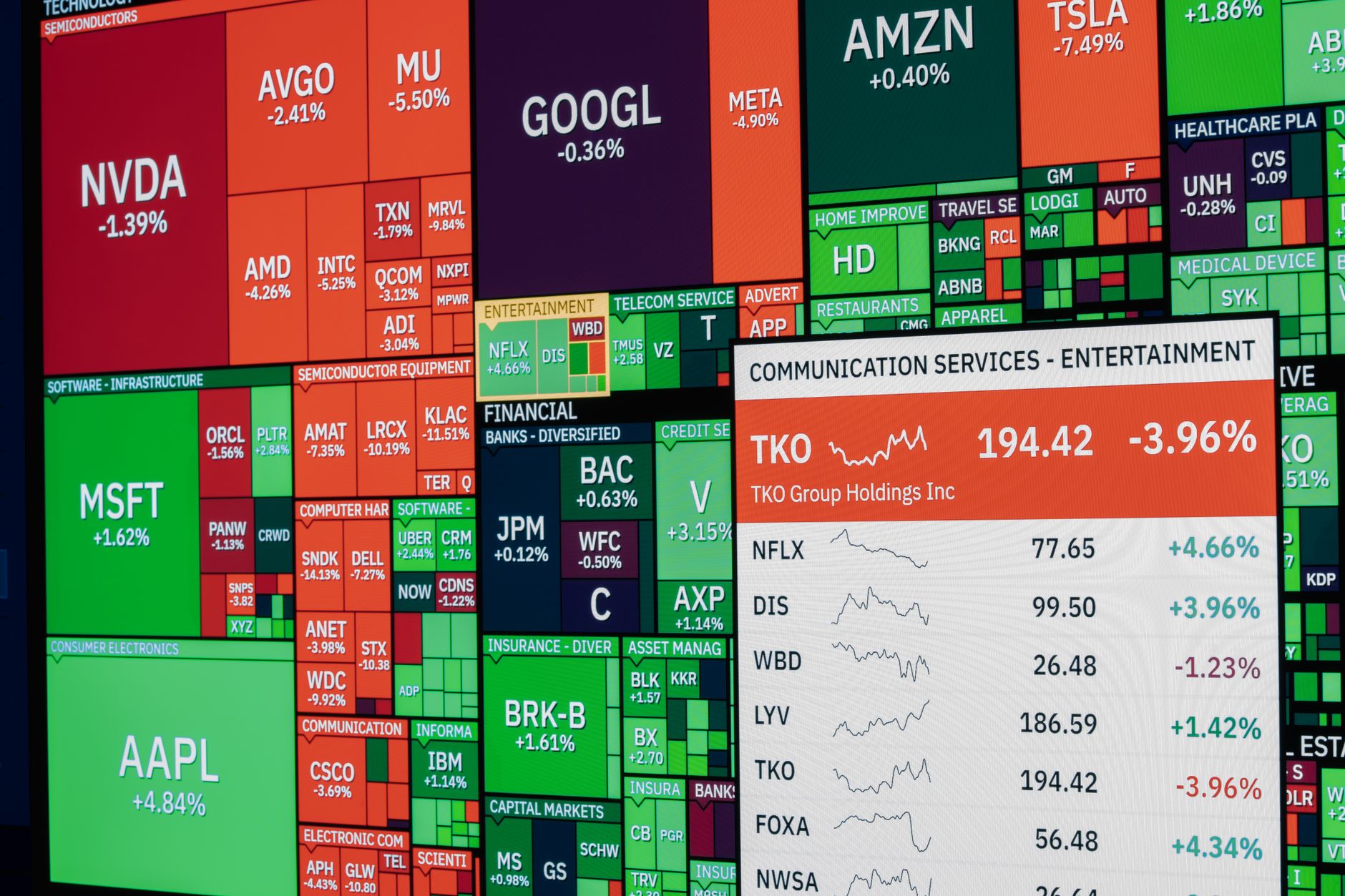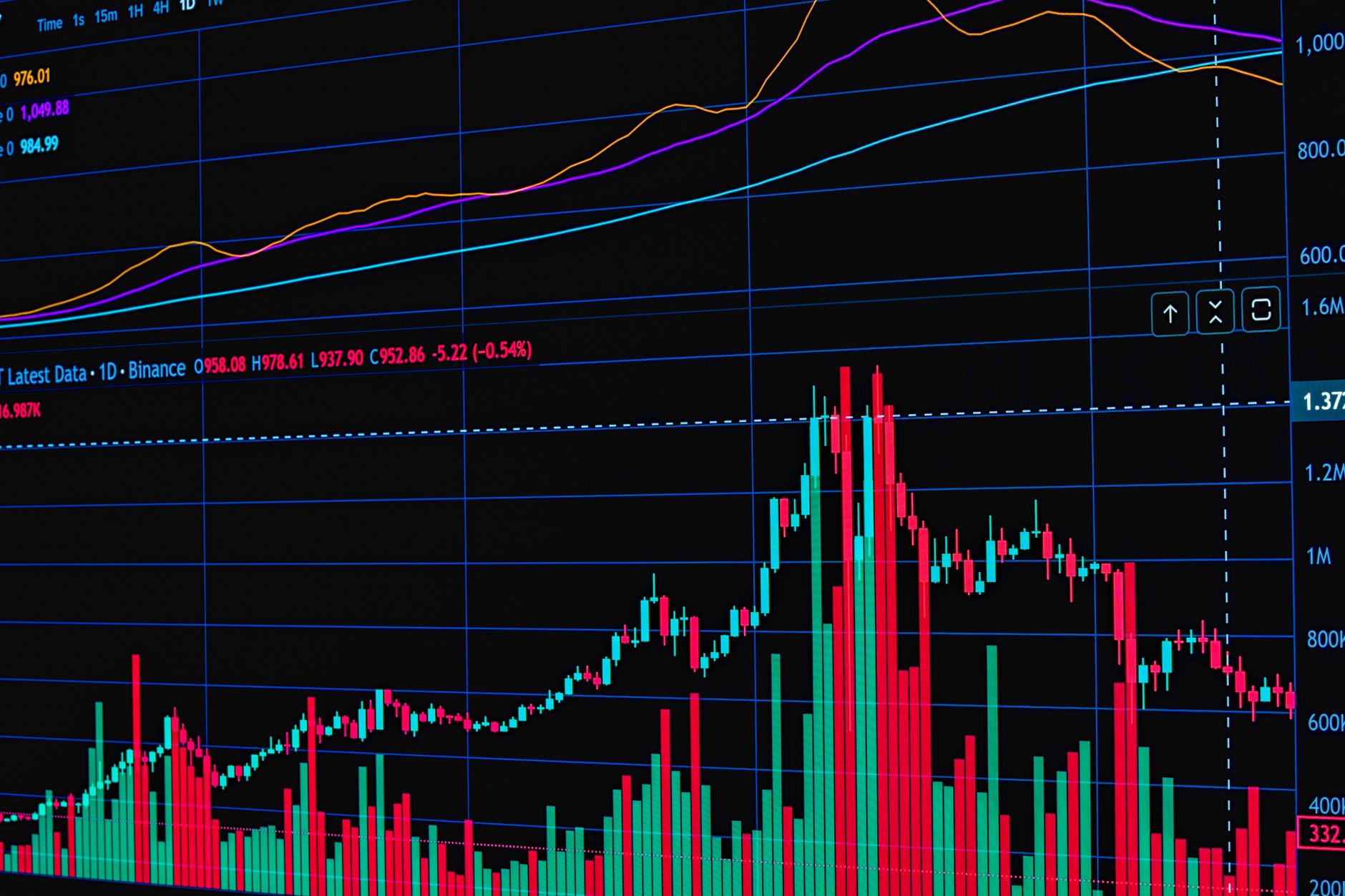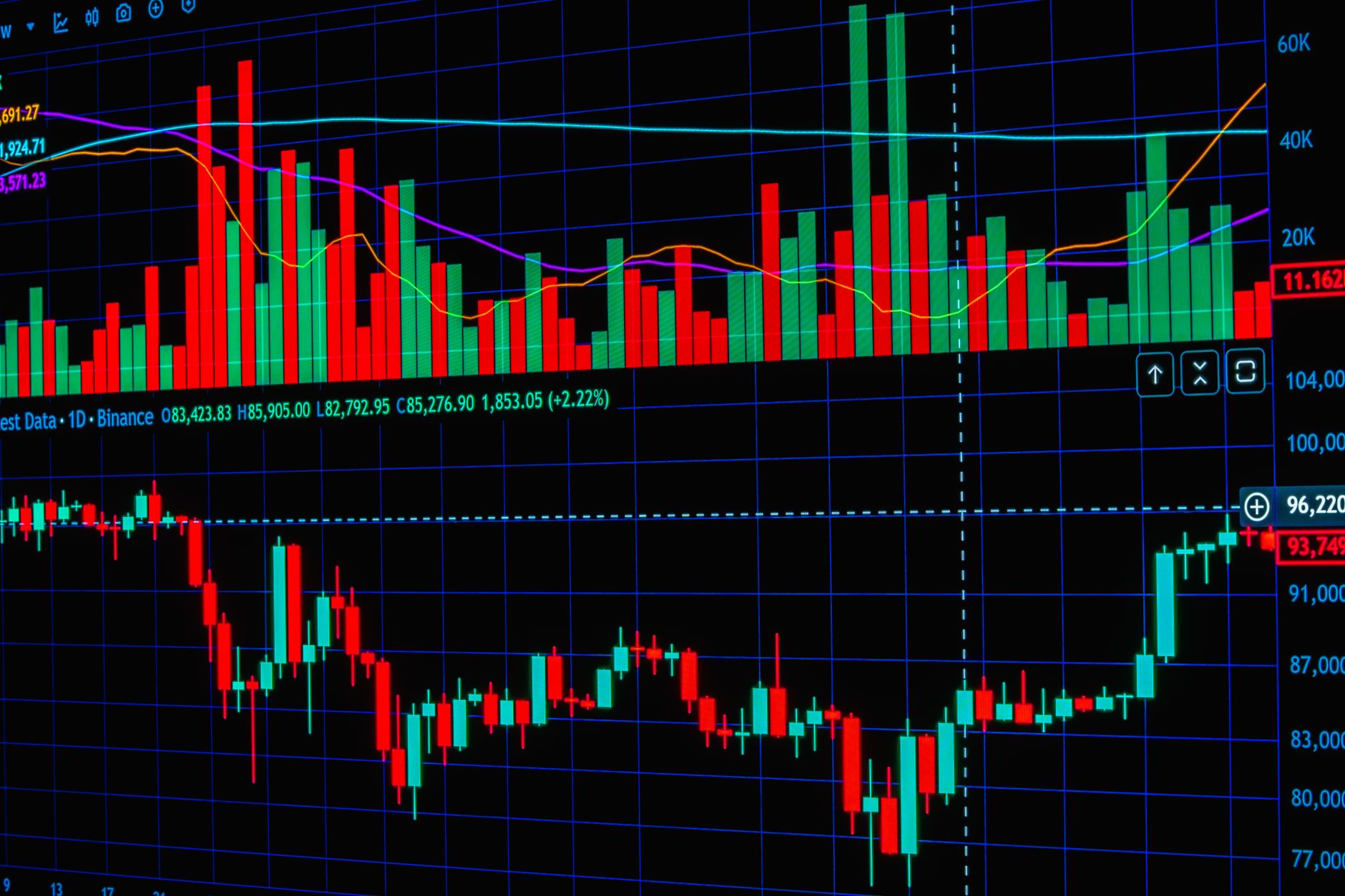
The Sensex market plunge has left investors reeling after a significant drop of 1,045 points, driven by surging oil prices. This downturn marks a challenging period for the Indian stock market.
Impact of Oil Prices on Sensex
The recent surge in oil prices has had a significant impact on the Sensex market plunge, marking one of the worst days for investors. As crude oil reached a multi-year high, concerns about inflation and rising costs weighed heavily on investor sentiment.
Analysts suggest that the continuous rise in oil prices could lead to increased production costs for companies, which may, in turn, affect profit margins. This uncertainty has prompted many investors to reevaluate their positions in the market.
Key factors contributing to the oil price surge include:
- Geopolitical tensions: Ongoing conflicts in oil-producing regions have raised fears of supply disruptions.
- Increased global demand: As economies recover post-pandemic, demand for oil has surged, putting upward pressure on prices.
- Supply chain issues: Challenges in logistics and production have hindered the ability to meet rising demand.
With the Sensex market plunge reflecting these pressures, investors are advised to stay vigilant and consider how fluctuations in oil prices may influence their portfolios in the coming months. The combination of external factors and domestic market reactions makes navigating this environment particularly challenging.
Nifty Hits 2026 Low
The recent turbulence in the Indian stock market has reached a critical point as the Nifty index hit a low not seen since 2026. This decline is a direct reflection of the ongoing Sensex market plunge, which has seen alarming drops over the past few days. Investors are feeling the strain as stocks continue to tumble amidst rising oil prices.
Market analysts highlight several factors contributing to this downturn:
- Global Economic Concerns: Fears of a potential recession are looming, affecting investor confidence.
- Rising Oil Prices: Increased crude oil prices have spurred inflation fears, impacting various sectors.
- Policy Uncertainty: Uncertainties surrounding government policies and regulations are adding to market volatility.
As the Nifty struggles to find support, many investors are urged to reconsider their strategies. The significant losses experienced this week have left portfolios battered, prompting discussions on risk management and diversification.
In light of these events, experts advise vigilance and a thorough analysis of market trends. The current situation serves as a reminder of the inherent risks within the stock market, especially during unpredictable economic climates.
Reasons Behind Market Volatility
The recent plunge in the Sensex market has left investors reeling, with substantial losses reported across various sectors. Several factors have contributed to this unexpected volatility, significantly affecting market sentiments.
- Surging Oil Prices: The unexpected spike in global oil prices has raised concerns over inflation, prompting fears that rising costs will impact corporate profitability.
- Geopolitical Tensions: Ongoing geopolitical conflicts have created uncertainty in the markets, causing investors to adopt a risk-averse approach. The fear of escalated tensions can lead to abrupt shifts in market dynamics.
- Weak Economic Indicators: Recent economic data has pointed towards slowing growth, further exacerbating investor concerns. Declining manufacturing output and lower consumer spending have raised alarms about the overall economic outlook.
- Foreign Institutional Selling: A notable outflow of foreign institutional investments has compounded the challenges for the market. With foreign investors pulling back, domestic markets have seen increased selling pressure, leading to the Sensex market plunge.
As investors navigate this turbulent period, it remains crucial to monitor these underlying factors that are driving market volatility and to formulate strategies to mitigate risks.
Investor Reactions to the Plunge
As the Sensex market plunge sent shockwaves through the financial community, investors expressed their deep concerns regarding the sudden downturn. Many took to social media to voice their frustrations, highlighting the significant losses they faced in a matter of hours.
Some investors shared their experiences, indicating that this was their worst day in the market. “I never expected such a drastic drop,” said one retail investor, who preferred to remain anonymous. “It feels like the ground has fallen from beneath us.” Others echoed similar sentiments, with many fearing that the losses could take months, if not years, to recover.
In light of the Sensex market plunge, analysts urged caution, suggesting that investors reassess their portfolios. “It’s essential to stay informed and avoid panic selling,” advised a financial consultant. “Investing is a long-term game, and this volatility can often create opportunities if approached wisely.”
As the market fluctuates, experts recommend diversifying investments and considering defensive stocks that could weather such downturns better than others. The uncertainty surrounding global oil prices continues to loom large, leaving many questioning where the market will head next.
Future Outlook for Indian Markets
The recent Sensex market plunge has left investors contemplating the future of Indian markets amidst rising oil prices and global uncertainties. Analysts suggest that the immediate outlook may remain challenging, especially if the geopolitical tensions continue to escalate.
Market experts are closely monitoring several key factors that could influence the recovery of the Indian stock market:
- Global Economic Indicators: The performance of major economies, particularly the US and China, will play a critical role in shaping investor sentiment.
- Interest Rates: The Reserve Bank of India’s monetary policy decisions in response to inflationary pressures will be pivotal.
- Corporate Earnings: Upcoming quarterly results will provide insights into companies’ resilience in a volatile environment.
- Policy Changes: Any government initiatives aimed at stabilizing the economy could help restore investor confidence.
Despite the current downturn, some analysts remain optimistic about a potential rebound, citing the inherent strength of the Indian economy. However, they urge investors to exercise caution and stay informed about market developments. The next few weeks will be crucial in determining whether the current plunge is a temporary setback or a sign of deeper issues within the market.
Historical Context of Market Drops
The Sensex market plunge witnessed on the recent trading day is not an isolated incident, as history reveals a pattern of significant market drops that often leave investors reeling. Over the past two decades, there have been several notable collapses that echo the current scenario.
In 2008, the global financial crisis led to a massive decline, with the Sensex dropping over 1,400 points in a single day. This event was driven by escalating fears of a recession, coupled with a plummet in stock prices worldwide. Similarly, in 2016, uncertainty surrounding the U.S. presidential election resulted in a sharp decline, where the market lost more than 800 points within hours.
More recently, in March 2020, the onset of the COVID-19 pandemic triggered panic selling, causing the Sensex to lose approximately 3,000 points in a matter of days. Each of these instances reflects a broader trend where external factors, such as geopolitical tensions and economic downturns, significantly influence market stability.
As investors grapple with the fallout from the latest plunge, it is crucial to understand these historical contexts, which serve as a reminder of the inherent volatility in financial markets.
Strategies for Navigating Market Downturns
Amid the recent Sensex market plunge, investors are seeking effective strategies to navigate the challenges presented by such downturns. Historical data suggests that market corrections can represent opportunities for savvy investors to reassess their portfolios and make informed decisions.
Here are some strategies to consider during these tumultuous times:
- Diversification: Spreading investments across various sectors can mitigate risks associated with market volatility. This approach helps cushion losses in one sector with gains in another.
- Staying Informed: Keeping abreast of global economic trends, particularly oil prices and geopolitical events, can provide insights into potential market movements. Knowledge is a powerful tool for making timely investment choices.
- Long-Term Focus: Maintaining a long-term perspective can ease the emotional burden of short-term fluctuations. Investors should remember that markets typically recover over time.
- Consulting Financial Advisors: Professional guidance can help tailor investment strategies to individual risk tolerance and financial goals, ensuring a more personalized approach to navigating downturns.
Ultimately, while the current situation may be daunting, employing these strategies can help investors weather the storm and position themselves for future growth.
The recent Sensex market plunge has left many investors reeling from unexpected losses. As analysts scramble to assess the impact of the Sensex market plunge, uncertainty continues to loom over trading strategies.
Photo by Tiago Chaves on Pexels
References
You might also like
Nasdaq slumps: Worst week for AI trade in 18 months · Williams-Sonoma stock: Is it the best investment now? · M&T Bank earnings: Proven results beat estimates by $0.15