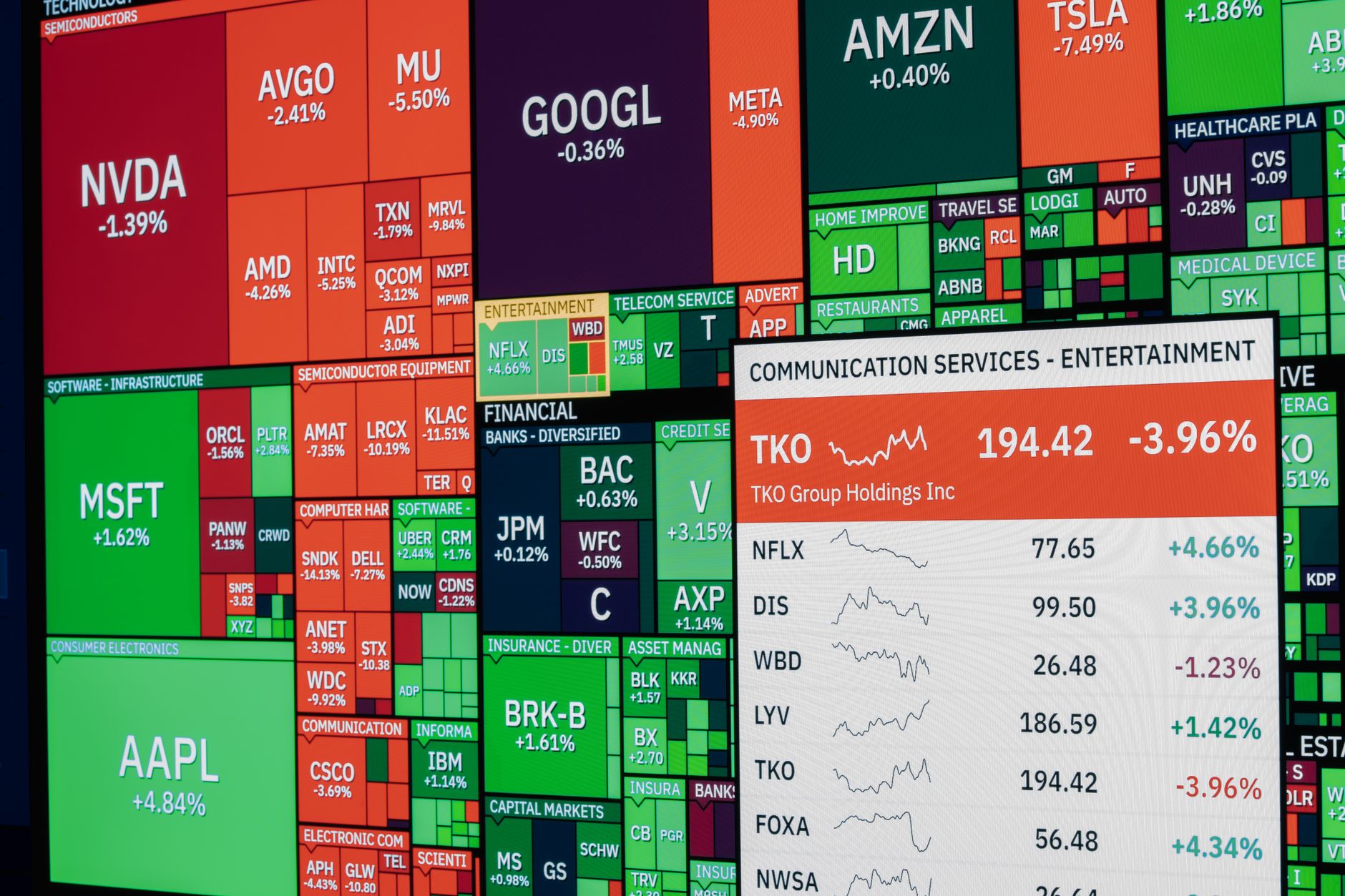
Nasdaq 100 record highlights a significant moment in the market with the weakest breadth since 2024, raising concerns among investors.
Understanding Market Breadth
The recent Nasdaq 100 record has highlighted a concerning trend in market dynamics, particularly regarding market breadth. Market breadth refers to the number of stocks participating in a market move, indicating the overall strength of the market rally.
Experts have noted that the breadth of the recent Nasdaq 100 surge is the weakest observed since 2024. This disparity raises questions about the sustainability of the gains seen in the index.
Several factors contribute to this phenomenon:
- Concentration in a Few Stocks: A small number of large-cap stocks have driven the index higher, leaving many other stocks lagging behind.
- Sector Performance: Certain sectors have outperformed, while others have struggled, leading to an uneven distribution of gains.
- Investor Sentiment: A narrow focus on high-profile technology companies has overshadowed broader market participation.
The implications of weak market breadth are significant, as they may signal a potential correction or increased volatility ahead. Investors are urged to consider these factors when evaluating the resilience of the Nasdaq 100 record and the overall market outlook.
Factors Influencing Nasdaq 100 Performance
The recent record set by the Nasdaq 100 has revealed several factors influencing its performance, particularly its breadth. Market breadth, which measures the number of stocks participating in a rally or decline, has raised concerns among analysts. Many are noting that the current breadth is the weakest it has been since 2024.
Key factors contributing to this situation include:
- Sector Concentration: A significant portion of the gains within the Nasdaq 100 has been driven by a handful of large-cap technology stocks. This concentration can create a misleading impression of overall market strength.
- Investor Sentiment: Many investors remain cautious, focusing on macroeconomic indicators such as inflation and interest rates, which can impact broader market performance.
- Technological Disruptions: While innovation continues to drive growth in tech, it also leads to volatility, affecting many smaller companies’ stock performance within the index.
As the Nasdaq 100 records these highs, the underlying weakness in breadth could signal potential risks ahead for investors, prompting a closer examination of the market dynamics at play.
Historical Context of Nasdaq 100 Records
The Nasdaq 100 record achieved recently has brought attention to the historical context of market performance, particularly concerning breadth. Market breadth refers to the number of stocks participating in a price movement, and a lack of breadth often signals underlying weakness in a market index. Observers have noted that the current record is accompanied by the worst breadth since 2024, raising concerns among investors.
Historically, the Nasdaq 100 has experienced various phases of growth and contraction, often influenced by technological advancements and macroeconomic factors. In previous bull markets, a healthy breadth typically indicated broad-based participation among constituents, suggesting that the rally was sustainable. In contrast, when a record is achieved with narrow participation, as seen now, it can lead to skepticism regarding the longevity of such gains.
Key events in the past, including the dot-com bubble and the 2008 financial crisis, illustrate how fragile records can be when not supported by strong breadth. Analysts are now watching closely to see if this pattern will repeat, as the Nasdaq 100 record may not reflect a robust market health if the breadth does not improve in the coming months.
Investor Reactions to Recent Trends
Investor reactions to the recent Nasdaq 100 record have been mixed, reflecting a growing concern about market breadth. The latest data indicates that the index has achieved this milestone with the weakest breadth seen since 2024, leaving many traders questioning the sustainability of the rally.
Many market participants are expressing skepticism, citing the narrowness of the advance as a potential warning sign. Peter Johnson, a senior analyst at a leading investment firm, stated, “While reaching a new high is certainly positive, the lack of participation from a broad range of stocks is troubling.”
Investors are increasingly focused on sectors that have lagged behind, hoping for a resurgence that could strengthen overall market dynamics. Some are advocating for a more cautious approach, suggesting that the current environment may lead to increased volatility.
Meanwhile, others remain optimistic, arguing that the Nasdaq 100 record could signal the beginning of a new bullish phase, particularly if technology stocks continue to perform well. As the market evolves, staying informed and adaptable will be essential for investors.
Overall, the mixed sentiment underscores the complexity of navigating today’s financial landscape.
Future Outlook for Nasdaq 100
The recent Nasdaq 100 record has raised questions about the sustainability of this upward trend, given the alarming breadth of the market. As the index reaches new heights, many analysts are cautioning against potential volatility ahead. The current environment suggests that while the index may be performing well, the underlying strength of the market is lacking.
Investors should be mindful of several key factors that could influence future movements in the Nasdaq 100:
- Economic Indicators: Continued scrutiny of economic data, including inflation rates and employment figures, will be essential.
- Interest Rates: Potential changes in monetary policy could impact investor sentiment and market performance.
- Sector Performance: The divergence in performance among tech sectors could signal shifts in investor confidence.
- Global Events: Geopolitical uncertainties and global economic trends can also sway market dynamics.
As investors gauge the implications of the latest Nasdaq 100 record, a cautious approach may be warranted. The lack of breadth suggests that market participation may be narrowing, which could lead to increased volatility in the coming months.
Photo by Rafael Minguet Delgado on Pexels
References
Related stories
RBI New Rate Game: The Clear Guide to What’s Inside · Metal stocks to buy: Proven picks for Q2 results · RBI repo rate hike: Is it the Right Move for India?