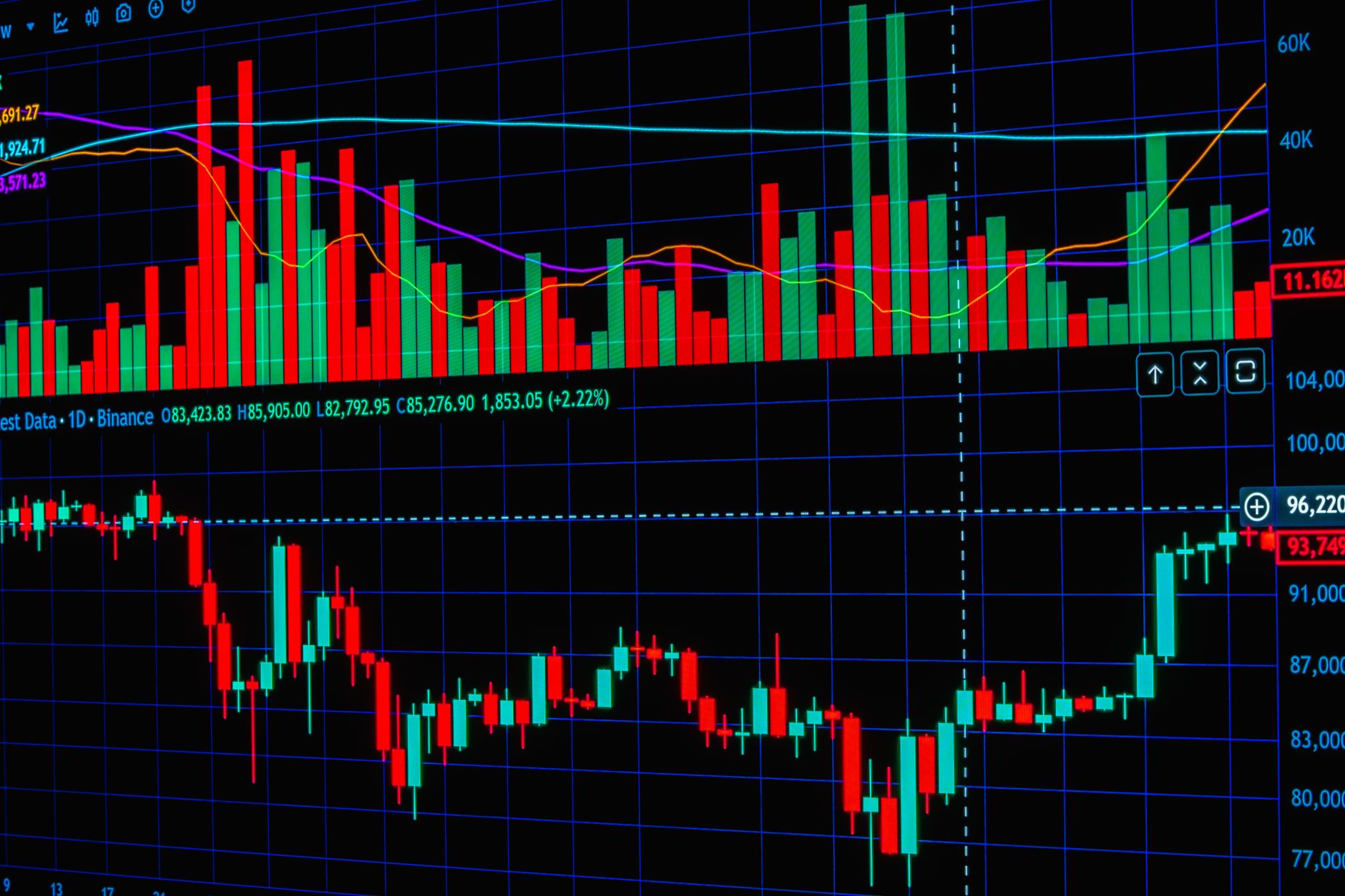
Nifty 50 selloff is intensifying as long-held supports are being breached, raising concerns among investors about future market stability.
Understanding the Nifty 50 Selloff
The recent Nifty 50 selloff has raised significant concerns among investors, as the index breaks through long-held support levels. This dramatic shift signals a potential downturn in the market, prompting analysts to reevaluate their forecasts and strategies.
Several factors are contributing to the ongoing selloff. Among them are:
- Global Economic Uncertainty: Ongoing geopolitical tensions and fluctuating economic indicators have created a climate of instability.
- Rising Interest Rates: Central banks around the world are tightening monetary policy, leading to increased borrowing costs and dampening consumer spending.
- Corporate Earnings Disappointments: Many companies within the Nifty 50 have reported lower-than-expected earnings, further fueling investor pessimism.
As the Nifty 50 index continues to experience a selloff, market participants are advised to stay vigilant and assess their portfolios. The erosion of investor confidence is palpable, and strategic adjustments may be necessary to navigate this tumultuous period.
While some analysts suggest that this selloff could present buying opportunities for long-term investors, others caution against jumping in too quickly, emphasizing the importance of thorough research and a disciplined investment approach.
Market Reactions to Recent Trends
The recent selloff in the Nifty 50 has triggered a wave of reactions across the financial markets. Investors and analysts are closely monitoring the situation as the index breaks long-held support levels, raising concerns about future performance.
Market experts have noted several key factors driving the current trends:
- Macroeconomic Indicators: Weak economic data has led to increased volatility, causing many to reevaluate their investment strategies.
- Global Influences: International markets have shown signs of pressure, impacting investor sentiment in India. A downturn in major global indices has contributed to the Nifty 50 selloff.
- Sector Performance: Certain sectors, particularly IT and finance, have faced significant declines, further exacerbating the overall index drop.
- Market Sentiment: Fear and uncertainty are prevalent among investors. Many are opting to sell off their holdings, leading to a downward spiral in stock prices.
As the selloff deepens, some analysts suggest that it may present buying opportunities for long-term investors. However, the prevailing sentiment remains cautious, with many waiting for signs of stabilization before re-entering the market.
Ultimately, the Nifty 50 selloff serves as a critical reminder of the unpredictable nature of financial markets and the need for strategic investment planning.
Key Factors Behind the Decline
The recent Nifty 50 selloff has been driven by several key factors that investors and analysts are closely monitoring. As the market continues to exhibit bearish tendencies, understanding these influences is crucial for making informed decisions.
- Global Economic Concerns: The ongoing geopolitical tensions and inflationary pressures in various economies have led to a heightened sense of uncertainty. Investors are reacting to potential impacts on global trade, which in turn affects local markets.
- Interest Rate Hikes: Central banks around the world, including the Reserve Bank of India, have been signaling possible interest rate increases to combat rising inflation. Such measures often lead to reduced liquidity in the markets, prompting investors to reconsider their positions.
- Corporate Earnings Disappointments: A series of disappointing quarterly earnings reports from key companies listed on the Nifty 50 index has contributed to the selloff. This trend raises concerns about the overall health of the economy and corporate sector.
- Technical Factors: The Nifty 50 is breaking long-held supports, triggering stop-loss orders and further exacerbating the selloff. The technical analysis points to a bearish trend that has many traders on edge.
These elements collectively paint a challenging picture for the Nifty 50, as market participants navigate the evolving landscape with caution.
Investor Sentiment Analysis
As the Nifty 50 selloff continues to unfold, investor sentiment has taken a significant hit, leading many to reassess their positions in the market. The recent downturn has prompted a wave of anxiety among traders, with many fearing further declines. This shift in sentiment is reflected in various market indicators and surveys.
A growing number of investors have expressed concerns about the long-term viability of their portfolios, particularly in light of the following factors:
- Market Volatility: Increased fluctuations have led to a cautious approach, with many opting to hold cash rather than invest in an uncertain environment.
- Economic Indicators: Recent data suggesting slowing economic growth has contributed to a bearish outlook among investors, prompting them to reconsider their strategies.
- Global Influences: External factors, such as geopolitical tensions and global inflation rates, have raised alarms, causing investors to question the stability of the Nifty 50 index.
Moreover, the sentiment among retail investors appears to be particularly pessimistic, with many fearing that the worst of the Nifty 50 selloff may still be ahead. As a result, a considerable number are opting to exit the market, further exacerbating the downward pressure on stock prices.
Future Outlook for Nifty 50
The future outlook for the Nifty 50 remains uncertain as the recent selloff has raised concerns among investors and market analysts alike. With the index breaking through long-held support levels, many are questioning whether a recovery is on the horizon or if further declines are imminent.
Market experts suggest that the trajectory of the Nifty 50 will largely depend on several key factors:
- Global Economic Conditions: The ongoing geopolitical tensions and fluctuations in global markets will play a significant role in shaping investor confidence.
- Domestic Economic Indicators: Economic data releases, such as GDP growth and inflation rates, could influence the performance of Indian equities.
- Monetary Policy Changes: Any shifts in interest rates by the Reserve Bank of India may also impact market sentiment and investment strategies.
- Corporate Earnings Reports: Upcoming earnings announcements will be critical in determining the sustainability of the current market trends.
Investors should remain vigilant and consider diversifying their portfolios in light of the Nifty 50 selloff. With many analysts predicting a volatile market ahead, maintaining a balanced investment strategy could help mitigate risks while navigating these turbulent waters.
Ultimately, the future direction of the Nifty 50 will depend on how effectively the market adapts to these evolving challenges.
Navigating Market Volatility
The recent Nifty 50 selloff has left many investors grappling with uncertainty as market volatility continues to rise. In this turbulent financial landscape, understanding how to navigate these fluctuations is crucial for both seasoned investors and newcomers alike.
One of the key strategies to manage risk during such selloffs is diversification. By spreading investments across various sectors and asset classes, investors can mitigate potential losses. Experts recommend considering the following approaches:
- Rebalancing Portfolios: Regularly reassessing and adjusting portfolios can help align them with current market conditions.
- Staying Informed: Keeping up with economic indicators and market news can provide insights into potential rebounds or further declines.
- Long-term Perspective: Maintaining a focus on long-term investment goals can prevent impulsive decisions driven by short-term market movements.
- Consulting Financial Advisors: Engaging with financial professionals can offer tailored advice and strategies to navigate complex markets.
Despite the current Nifty 50 selloff, opportunities may still exist for those willing to adapt their strategies. By remaining vigilant and proactive, investors can better position themselves to weather the storm and capitalize on potential recovery phases.
The Nifty 50 selloff has raised concerns among investors as market volatility continues to escalate. Analysts are closely monitoring the situation to identify the underlying causes of the Nifty 50 selloff.